
China Tariff Cut Sparks Rare Earths Pact, Soybean Trade, and Xi Fentanyl Deal
Estimated reading time: 5 minutes
- China and the US agreed to cut tariffs from 145% to 47%, easing trade tensions.
- A deal stops rare earth export limits for at least one year.
- Soybean trade will grow as China plans to buy more from the US.
- Tariffs related to fentanyl production are reduced, with cooperation to stop harmful precursors.
- The market reacted positively but experts warn about ongoing disputes.
Table of contents
This week, China and the US took a big step to ease trade tensions. President Donald Trump lowered tariffs from a very high 145% to 47%. He called his meeting with China’s President Xi Jinping an amazing event. The tariff cut came along with deals on rare earth exports, fentanyl control, and soybean trade.
China Tariff Cut and Rare Earths Deal Breakthrough
At the meeting, China promised not to limit rare earth exports to the US for at least one year. These metals are very important for making chips, electric cars, and military gear. Trump said this issue is now settled.
“They’re not going to impose the rare earth controls for a period of at least one year.”
Before this deal, US trade officials had warned that China’s controls could hurt many countries. They said it might let China control key global industries.
“It is an exercise in economic coercion on every country in the world. This will give China control over basically the entire global economy and the technology supply chain.”
This rare earth metals deal is important to fix a weak point. China makes about 70% of these materials, which the world depends on.
Soybean Trade and Fentanyl Agreement
American farmers will get a boost as China agreed to buy large amounts of US soybeans starting soon. Also, tariffs on goods related to fentanyl making were cut from 20% to 10%. China also promised to work hard to stop the flow of chemicals that help make fentanyl.

Trump said after the meeting, “It was an amazing meeting. We agreed to almost everything.”
Xi Jinping asked for dialogue instead of conflict. He said both countries should keep close talks and work together on trade issues.
Market Reactions to China Tariff Cut
The tariff cut led to better market moods. Stock prices went up, and soybean futures changed positively. Yet, experts warn the trade issues are not fully solved.
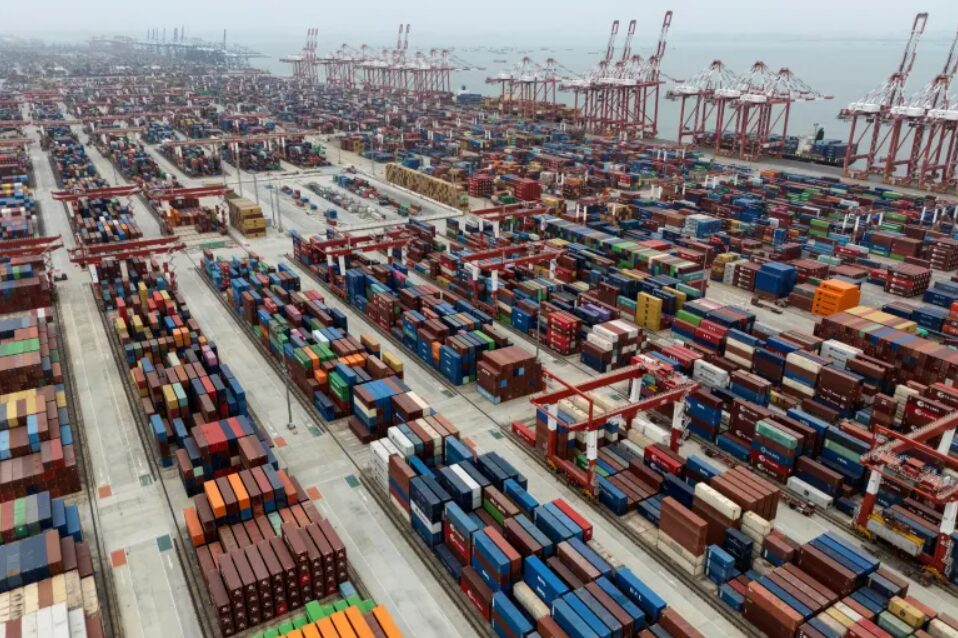
Trade experts say the ceasefire is fragile. They expect tensions to rise again because some major problems remain unsolved.
“I have modest expectations for this meeting. The end of tensions is not here yet.”
Another expert said the truce is weak. Structural reforms and other issues are still missing from this deal.
Also Read
De-Dollarization Won’t Stop Even After US-China Trade Deal
Frequently Asked Questions
What is the new tariff rate between China and the US?
The tariffs were reduced from 145% to 47%. This cut aims to ease trade tensions.
How long will China stop rare earth export limits?
China promised not to restrict rare earth exports for at least one year. These materials are vital for many industries.
What benefit do American farmers get from this deal?
China will buy large amounts of US soybeans starting immediately, helping American farmers.
What is the agreement about fentanyl?
Tariffs on fentanyl-related goods were cut from 20% to 10%. China agreed to work hard to stop harmful precursor chemicals.
Are the market reactions completely positive?
Markets reacted well at first. But experts warn that economic tensions and trade issues are likely to continue.
